What will Texas Public Schools Look like in the Fall?
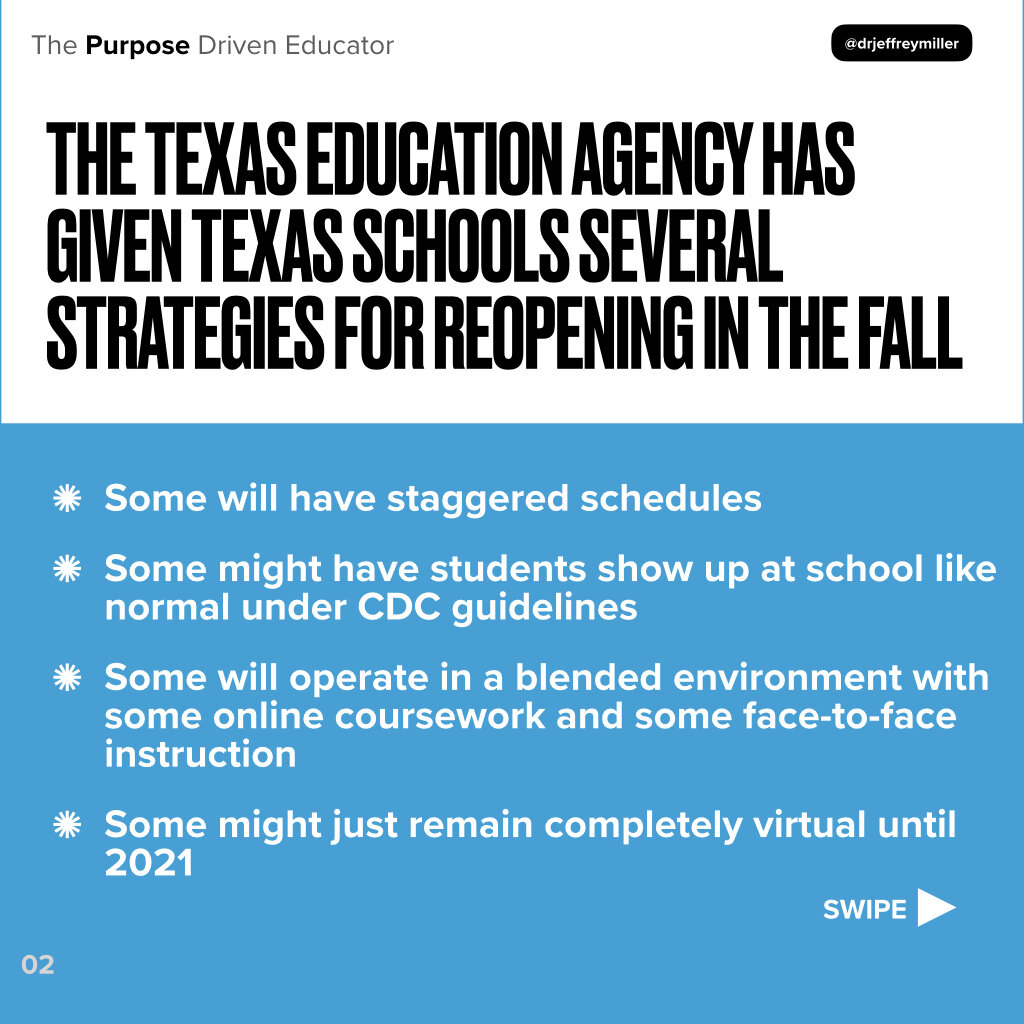
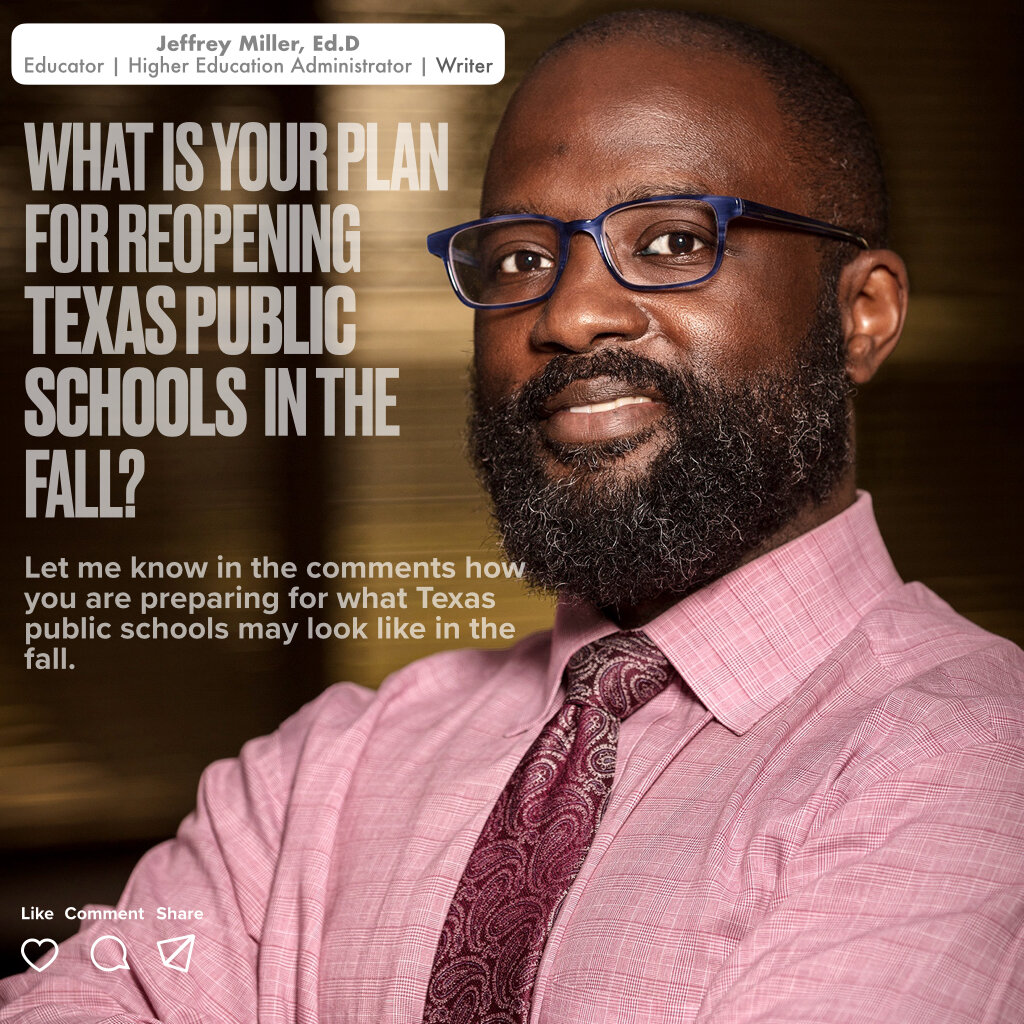
According to the Texas Education Agency (TEA), Texas public schools will have different options to begin bringing students back to classrooms in the fall. However, there are many things to consider before that happens, and every educator has a role to play. What are you doing to to prepare for schools to open in the Fall?
Some will have staggered schedules
Some might have students show up at school like normal while others continue their coursework online
Some might just remain completely virtual until 2021
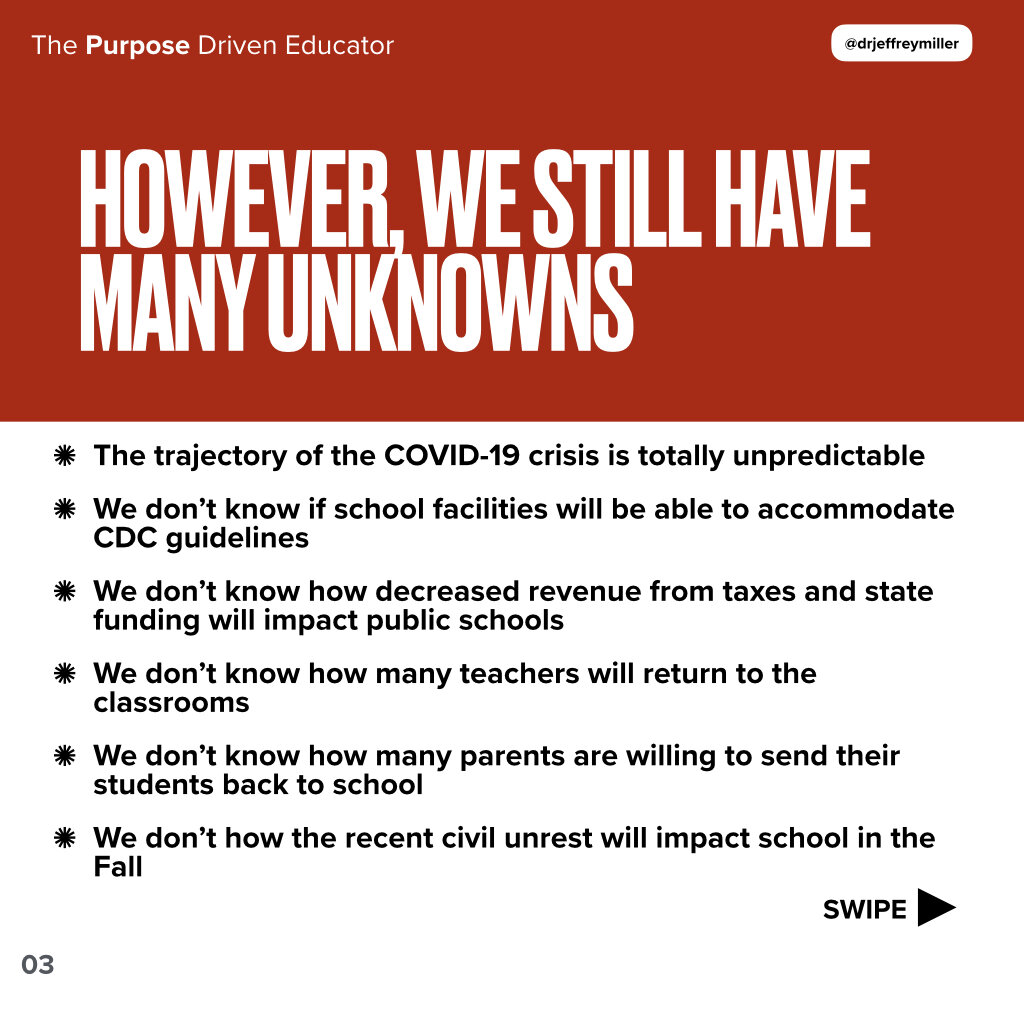
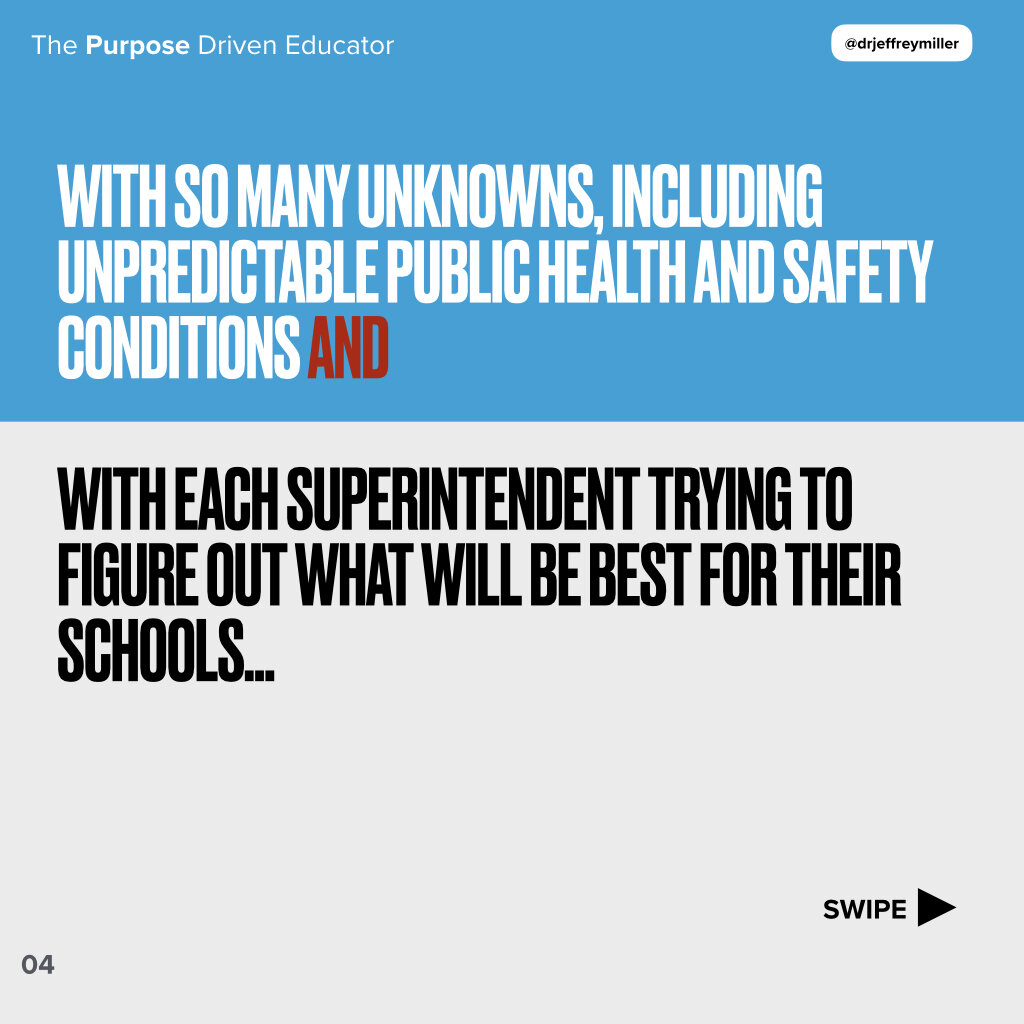
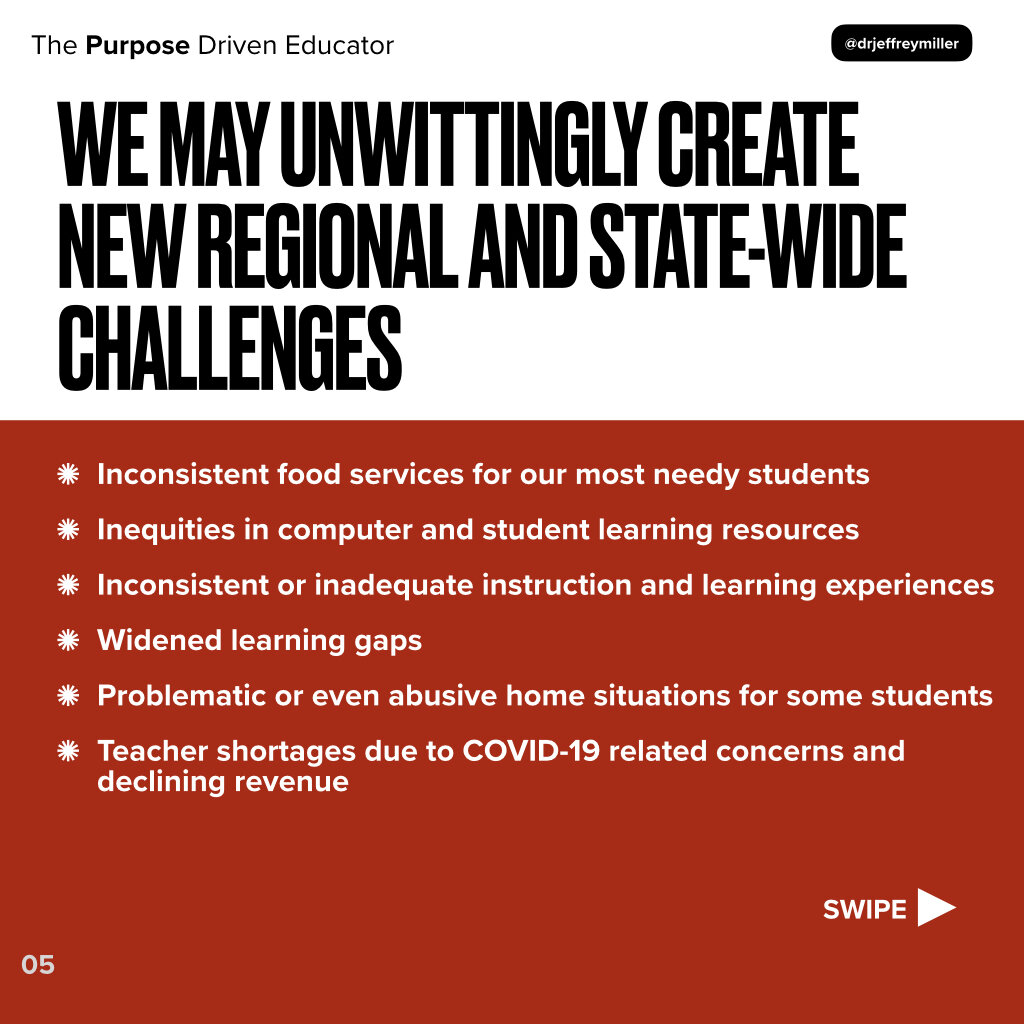
With so many unknowns and continuously changing data, Texas school superintendents are starting to game out how public education will look in the fall for their student. What will be the impact of inconsistent plans for Texas Schools to reopen in the Fall?
Inconsistent food service for students
Inequities in computers and student learning resources
Inconsistent instruction and learning experiences
Expanding learning gaps
Problematics home situations for some students
Teacher shortages
Recent state guidance has encouraged many Texas school districts to prioritize in-person summer school for the at-risk students with the greatest academic needs. So what should Texas school district do to avoid the problems in the fall?
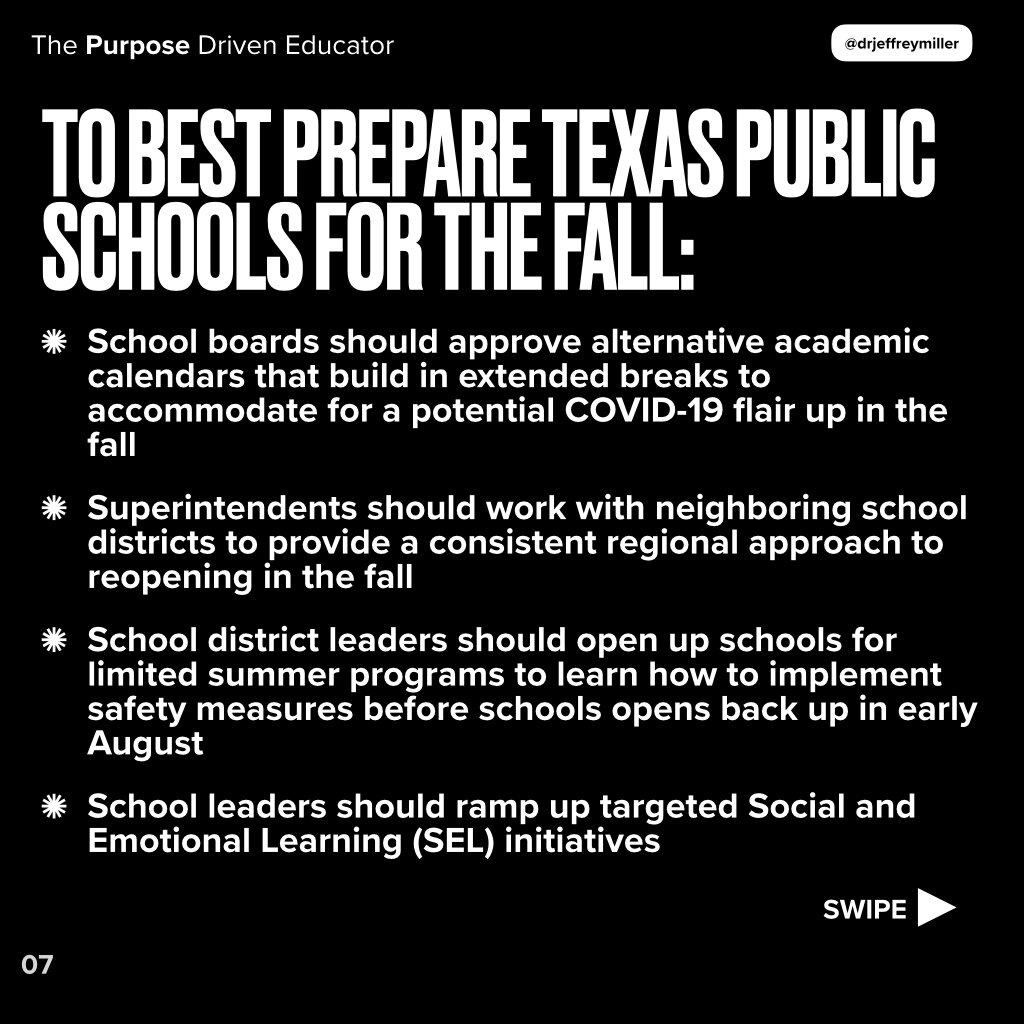
Open up schools for limited summer programs to learn how to implement safety measures before schools opens back up in early August
Work with neighboring school districts to provide a consistent regional approach to reopening in the fall
School boards should approve alternative academic calendars that build in extended breaks to accommodate for a potential COVID-19 flair up in the fall
Ramp up targeted Social and Emotional Learning (SEL) initiatives
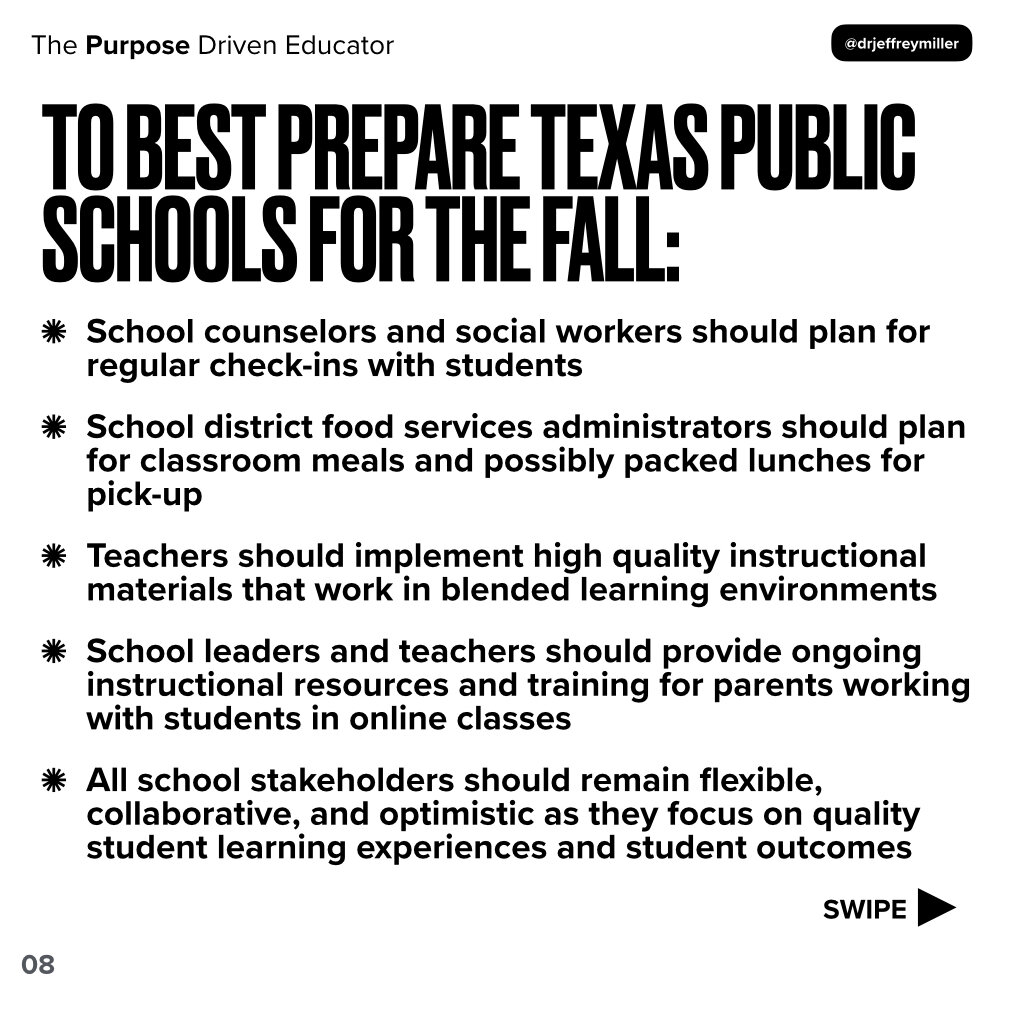
Implement high quality instructional material that work in blended learning environments
Focus on instructional resources and training for parents working with students in online classes
We will have school in the Fall, but the questions remain how and with what effectiveness. Texas can’t afford to waste any time this summer to prepare for the fall. What are you doing to to prepare for schools to open in the Fall?
Leave a comment about what else we should consider.
If you found this post valuable, please consider supporting my work as an independent creator.
Dual Credit and COVID-19: How to Help Your Students Thrive in An Online Environment

Navigating dual credit college courses as a high school student can be full of challenges. Still, with most colleges and universities switching to online classes under the current COVID-19 pandemic, it can be seen as a nearly insurmountable challenge. Actually, online courses present a challenge for most students because it requires discipline, organization, and resourcefulness, all of which must be cultivated over time. The new reality for many dual credit students today is that there is no time to fully develop the necessary skills before diving into a semester of online courses exclusively.
You can help your dual credit student tremendously by supporting them to implement these three simple steps designed to help high school students survive and thrive in an all-online dual credit course environment.
1. Establish and stick to routines
Online students need structure, and a study calendar is a great way to create it together. Paper or digital, the type of calendar doesn’t matter as long as students track their daily and weekly schedules. To get started, help your high school schooler establish a daily routine for getting the day started. Maybe he likes to start the day with exercise, meditation, or journaling. Regardless of how he begins the day, make sure he develops a simple routine and sticks with it. Once he has added a daily routine to his calendar, have him check his syllabus for assignments and assessments to add to his schedule, committing to the due dates. Don’t forget to have him include time to study, practice, and review course material.
2. Communicate often and early
One drawback of online classes is the convenience and flexibility that the courses provide as students access course materials at any time. However, that flexibility can be dangerous because students could be tempted to only check-in when the course materials are due. In many ways, freedom can lead to bad habits of procrastination and making excuses. Don’t let flexibility become a barrier for your student; instead, have them create the structure they need by scheduling a regular check-in time with their instructor over assignments, assessments, and course performance. If he struggles or falls behind, encourage him not to stay silent. Encourage him to reach out immediately to his high school counselor and college instructor to share his specific challenges and to seek assistance. There is nothing worse than seeing a student struggle, not knowing that the instructor is willing and able to provide support and guidance to eliminate their problems.
3. Look Back and Ahead
Knowing what is due weeks from now, not just the next day, can help students maximize their time. Guide your student to make a habit of doing a daily and weekly review where he looks ahead to identify upcoming assignments and deadlines for important tasks. However, he shouldn’t forget to examine a couple of days back to make sure he doesn’t miss anything that needs urgent attention. The more he reviews his schedule, the less likely he will miss an assignment or task, and the more likely he will be able to keep up with a realistic workload.
Don’t let the autonomy and flexibility presented by online dual credit courses be an excuse for your student to crash and burn this semester. Take advantage of the opportunities offered this semester to help your high school student develop the discipline, organization, and resourcefulness needed to thrive in any dual credit course. For a bright future in an all-online dual credit environment, help your student implement the practical strategies of establishing and sticking to routines, communicating often and early, and always looking back and ahead.
If you found this post valuable, please consider supporting my work as an independent creator.
More Money (for Teachers), More Problems

Throughout my career, I have always looked at a new school year with joy, optimism, and an eagerness to improve the lives of students. The thought of leaving education is the last thing on my mind at the start of a school year. Unfortunately, for many teachers, this will be their final year in the profession, and we already know why. According to the Learning Policy Institute, each year, more than 200,000 teachers leave education because of (1) inadequate preparation; (2) lack of support for new teachers; (3) challenging working conditions; (4) personal reasons; (5) better career opportunities; and (6) dissatisfaction with compensation.
All of these reported reasons teachers abandon the profession make sense. However, compensation is often the only issue that receives the concerted effort and attention of legislators and school district leaders. This is evidenced by the newly approved Texas legislation, House Bill 3, which reforms the Texas public school funding system and requires school districts to increase teacher salaries for the 2019-2020 school year. Now, at the risk of sounding credulous, I must ask, why are we focusing so much on increasing teacher pay? Yes, teachers have a weighty responsibility, and they are underpaid, but just paying teachers more money without addressing the support they need is irresponsible.
To prove my point, ask a teacher what they believe leaders need to do to improve the profession. When I asked my colleagues, they reported that teachers need more support in the classroom and less of the bureaucracy that crushes one’s passion for educating children. Many teachers also reported that it would be helpful to increase teacher authority and provide them with more relief from some of the restrictive accountability pressures. Most importantly, teachers communicate that they want to get the necessary training, resources, and support to prepare for the challenges that they will face in the classroom.
These are all things that we can and should address at the school and district levels. If we want real improvements in educational outcomes for students, we need to improve the working environment for teachers as we simultaneously increase their compensation. Most importantly, we need to ensure that we are providing the support and mentoring that teachers need this year to be successful and return for more. So I encourage all administrators to prioritize three main factors in striving to improve the working environment for teachers.
Focus on student and teacher growth: Teacher growth should be given the same attention that student learning receives. We should strive to see that the two are not in conflict because actively supporting teachers will lead to better student outcomes.
Focus on empowering teachers: Work to implement teacher-leadership opportunities to include educator voices and further develop their leadership skills. Teachers should be involved in the development and implementation of the various processes and structures (e.g., schedules, teacher-evaluation methods, or professional-development practices) put in place in schools.
Focus on increasing our capacity to manage change: Commit the time, training, and support resources to effectively manage the changes that inevitably happen every year.
If you found this post valuable, please consider supporting my work as an independent creator.