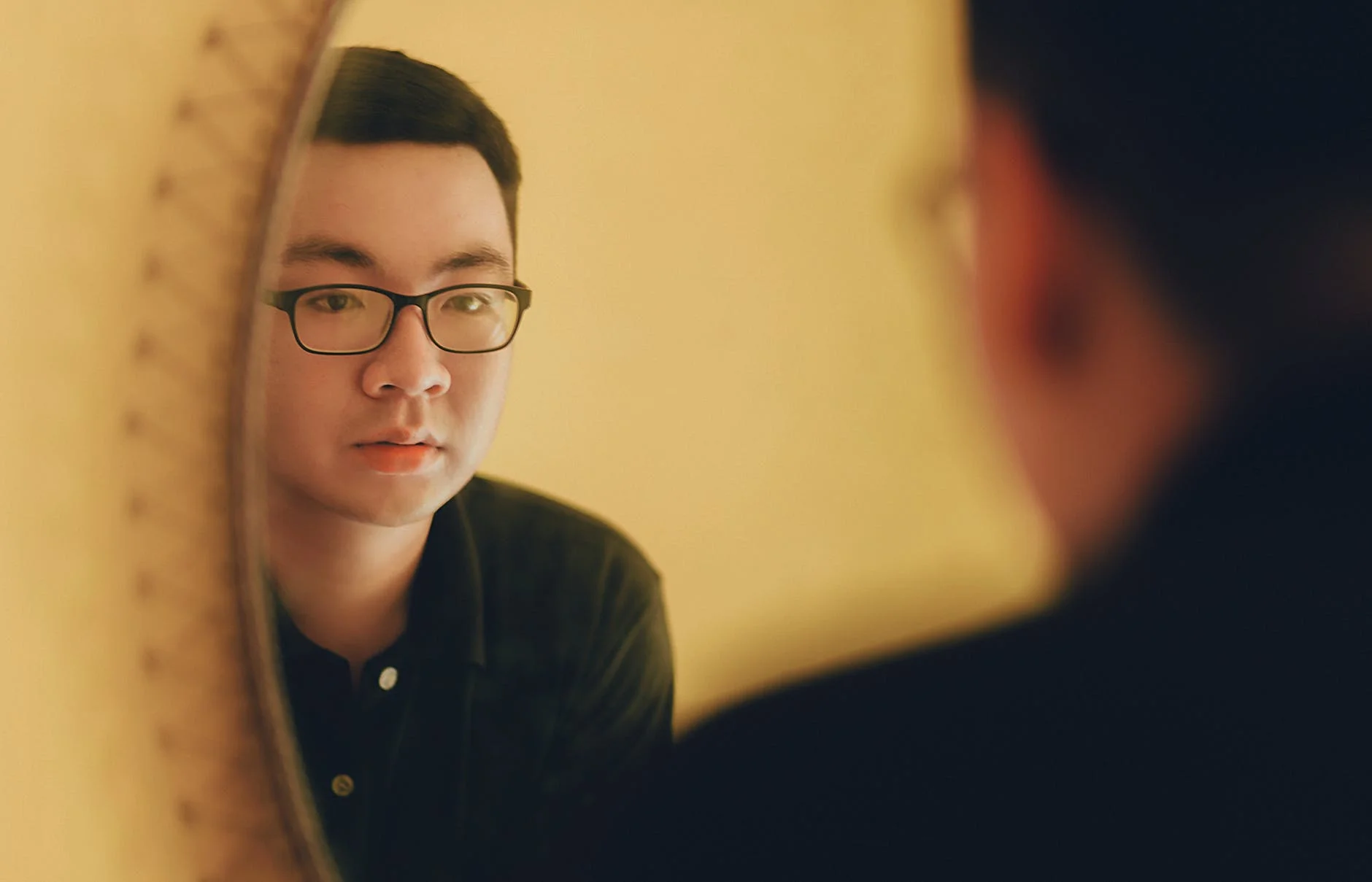
What is Your Personal Example Saying?
Most days I wake up with my daily routine on my mind. I anticipate my workout and the associated feelings of accomplishment after I complete the sweat session. Ever mindful of the time, I continuously monitor the clock to make sure I have ample time for prayer, Bible study, and writing. Then it is a mad dash to hit the shower, get dressed, and kiss my family goodbye before dashing out of the door only to be joined in traffic by thousands of other individuals rushing to work. As I engage in all of these routine tasks, I am intentionally focused on doing, what I have come to learn, helps me to be the best person I can be for the day. But today, when I arrived at work, I realized that there was an important factor missing from my daily regiment.

Most days I wake up with my daily routine on my mind. I anticipate my workout and the associated feelings of accomplishment after I complete the sweat session. Ever mindful of the time, I continuously monitor the clock to make sure I have ample time for prayer, Bible study, and writing. Then it is a mad dash to hit the shower, get dressed, and kiss my family goodbye before dashing out of the door only to be joined in traffic by thousands of other individuals rushing to work. As I engage in all of these routine tasks, I am intentionally focused on doing, what I have come to learn, helps me to be the best person I can be for the day. But today, when I arrived at work, I realized that there was an important factor missing from my daily regiment.
It was when I stumbled upon an encounter with a co-worker that I rarely interact with in the break room. After a few pleasantries and a short conversation about a recent news event, my co-worker surprised me with one of those comments that make you think, "I never knew you saw me that way." He shared a comment that included a statement like, "because of you, I have decided to pursue a long-held professional goal...". I immediately replied, "good for you," but internally I was shocked by his response because I couldn't recall ever having a conversation with him about his career goals, my professional experiences, or anything that would lead me to believe I would have influenced his decision. I was quickly reminded at that moment that my personal example is speaking to people even to those that I don't really engage in conversation.
Personally, I believe that we all should take responsibility for our words and actions, which are manifested through our personal example. So, after being reminded of my long-held belief by my co-worker, I realized that I was apparently communicating a message that encouraged others to take action to improve themselves. However, that encounter made me think a little more about the message I share daily. More specifically, I wondered, what am I doing to ensure that my personal example is communicating what I would like for it to say? After all, I put so much effort into getting ready, physically, spiritually, and emotionally to be the best version of myself, that I should be more aware of the fact that my actions are speaking to others.Now, as an educator, you can't avoid influencing others through your example. In fact, one of the things successful teachers realize is that your personal example is your most potent instructional tool with students. Since this concept wasn't foreign to me, I focused on identifying approaches to help me be more present and aware of the opportunities I have to influence and hone the message of my personal example.
(1) strive to be the best version of myself in every aspect of my life, from my appearance to my word choice to my disposition every day
Excellence fosters excellence, and the more we are at our best, the more we can inspire others to be at their best. Making a conscious effort to model the highest standard of professionalism, collegiality, and respect for everyone we interact with will drastically streamline what our personal example is saying to others.
(2) concentrate on being present and paying more attention to the people I interact with daily
We have to be aware to be intentional, and it is easier to pay attention to people when your general disposition is to have outgoing concern for others. Living as an example is an enlightening way of life rooted in service to others. It can be both rewarding and eye-opening to merely think about the needs, perspectives, and strengths of others before acting.In a Forbes article, The Most Powerful Leadership Tool You Have: Your Own Example, contributor John Hall states, "Your own example is the most powerful leadership tool you have." He goes on to share five things you can do to strengthen that tool and improve your example as a leader.
1. Get in the trenches (without getting trapped in the weeds).2. Eliminate superiority barriers.3. Forget your insecurities.4. Challenge yourself and those around you to become better.5. Prove the impossible is possible.
My daily routines are filled with activities designed to help me accomplish my goals. They serve me well, and I see no reason to change them. Instead, I understand the need to align them to the broader purpose of preparing me to influence and improve the lives of others positively. After all, Booker T. Washington said it best, "If you want to lift yourself up, lift up someone else." So the more awareness I have of the message of my personal example, the more I will be able to accomplish my goals of helping others aim higher and be better. Now, my question to you is, what does your personal example communicate?
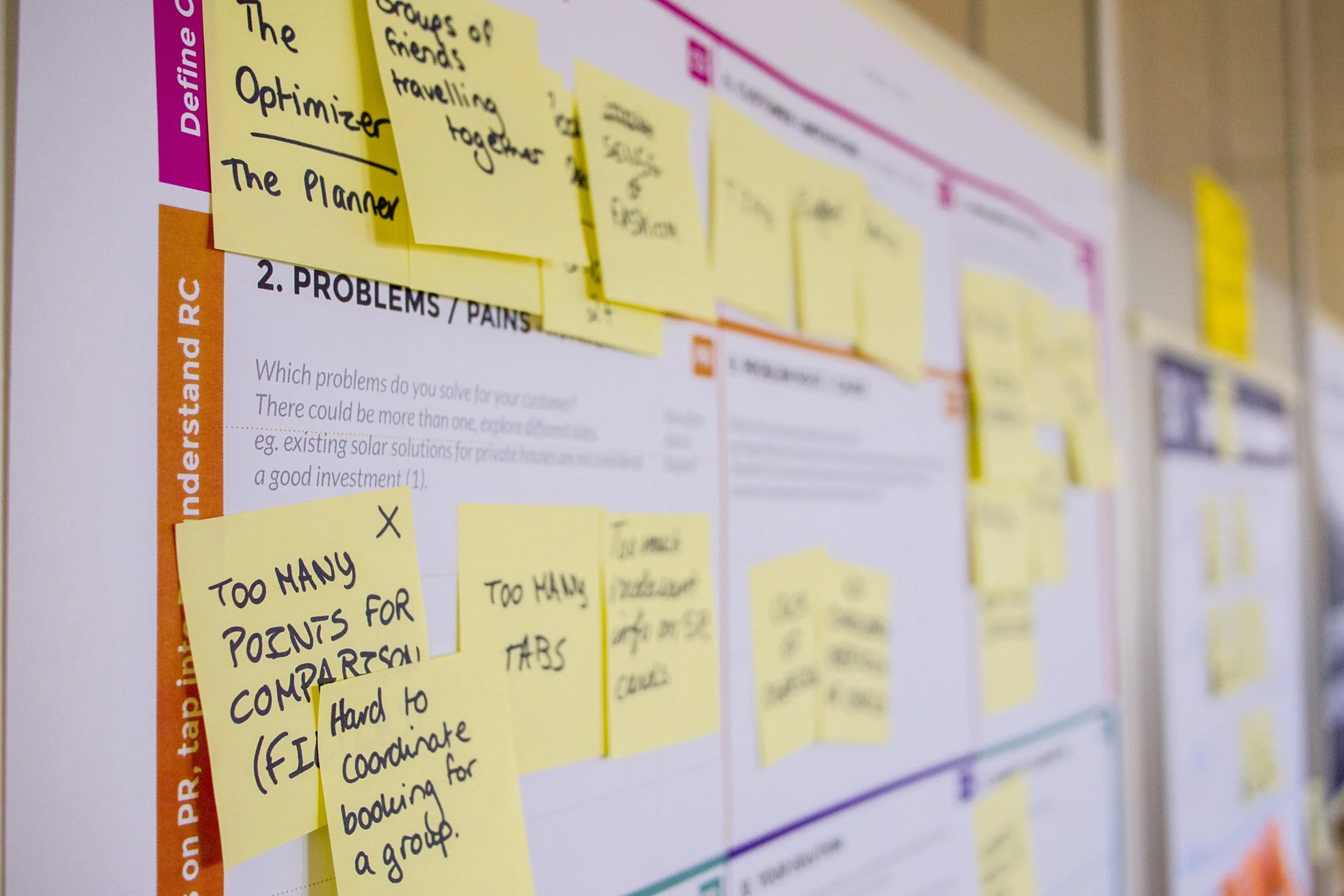
A New Year is Here, So Now What?
It is nearly impossible to welcome a new calendar year without thinking about what is to come. The pressure to set new goals, make new plans, and start anew is brought on by the constant reminders from our friends, social networks, and media of all types. Essentially, you would have to be living under a rock not to be bombarded with the expectations of setting new year resolutions. Well, this year I asked myself, what if we saw the new year's resolution craze for what it really was, an arbitrary point in time in the dead of winter that is marketed as a reset button. Upon further reflection, I believe that we are easily charmed by this idea of a 'do-over' because we fundamentally lack stick-to-itiveness for many of our challenging goals in life. I say this not as a pessimist, rather, as a realist that aims to focus on the bigger issue to actually achieve real change. After all, isn't that what we all really want in the new year, change? So to do this, I will embark on the following alternative plan of action for 2019 and suggest you do the same.

It is nearly impossible to welcome a new calendar year without thinking about what is to come. The pressure to set new goals, make new plans, and start anew is brought on by the constant reminders from our friends, social networks, and media of all types. Essentially, you would have to be living under a rock not to be bombarded with the expectations of setting new year resolutions. Well, this year I asked myself, what if we saw the new year's resolution craze for what it really was, an arbitrary point in time in the dead of winter that is marketed as a reset button. Upon further reflection, I believe that we are easily charmed by this idea of a 'do-over' because we fundamentally lack stick-to-itiveness for many of our challenging goals in life. I say this not as a pessimist, rather, as a realist that aims to focus on the bigger issue to actually achieve real change. After all, isn't that what we all really want in the new year, change? So to do this, I will embark on the following alternative plan of action for 2019 and suggest you do the same.
Count your blessings and answered prayers for the year.Make this a practical exercise by listing out as many blessings you can think of in 5 minutes for each month of the year. You could start with the December and work your way backward to January. Also, if you have not already done so, commit to keeping a blessings/answered prayer log this year to help you with this process in the future. The best way to put the year in perspective is to review your blessings.
Take time to clarify what is most important to you.It is so easy to fill our lives with things that really don't matter. We are so busy with life's distractions, influences, and entertainment competing for our emotions, energy, and commitment that we can become a magnet for trivial pursuits. To counter this, we have to focus and refocus on 'the main thing continually'. Try putting your ideas on paper with a simple table using columns for spiritual desires, family desires, health desires, personal desires, and professional desires. I suggest these categories because most people usually end up pursuing things related to them, but feel free to make columns for the things that you tend to commit time and effort. Then list your most desired outcomes for each. I recommend adding results to help you clarify what goal obtainment would look like and to encourage action toward each area. Keep refining your list until you have one for each category. Once complete, your table should contain what matters most to you. As your life changes adjust, but always revisit before establishing a new goal and committing your time.
Recognize what is driving you to make a goal.This is probably the most troubling aspect of making new year's resolutions. Far too often we go with the flow without asking the question, 'where is this coming from?' before taking action. Are we being inspired by someone else's success, the fear of missing out, a clever marketing campaign, or are we merely avoiding a more significant issue altogether? The best way to accomplish this is, to be honest with yourself and ask why five times to get to the heart of what is behind our desires to take action. Getting a handle on our motivations will always result in making better choices.
Drop any dead weight - things that are not working need to go.This is easier said than done. You may even say this is harder than starting something new because our human nature and tendency to hold on to things that we have attached emotion or affixed meaning. Unfortunately, the reality is, we all tend to hesitate when it comes to confronting failures. Maybe that is because we are so used to seeing failures as negatives. Don't get me wrong, I like to succeed as the next person, but the older I get, the more I appreciate learning - that is learning what works and what doesn't work. We have to work at framing failures like a researcher developing prototypes. Every day we get the chance to make a new and improved version of ourselves, and this innovative mindset should lead us to scrutinize results frequently and make decisions to stop pursuing the things that don't work. If you really feel the urge to start something new for 2019, how about starting the year with less - no more time wasters!
Make a plan to review the progress of your goals at the beginning of each season - Spring, Summer, Fall, and Winter.Yes, the need to review and revise is real, and I am not suggesting that we run from it. Instead, I am recommending that we put it in perspective. If we had a regular routine of goal evaluation throughout the year, we might find ourselves obtaining more goals and achieving what matters most in life. This is what led to my efforts to turn these steps into a practical exercise every quarter. Developing the right habits of mind toward continuous improvement and establishing practical steps for realizing success in life are always more important than following fads, trends, and emotional rollercoasters that end in failure and the need to reset every year.
So here's to a year filled with daily renewals and not another once a year shot in the arm with the urge to set new goals.
Creativity Matters, Right?
Today’s demand for a highly skilled workforce in the areas of science, technology engineering, and math (STEM) is making an immediate impact on our society and what we value in education. Changes in state and federal budgets further illustrate this shift our society is making in educational priorities. I am starting to wonder what will be the long-term effects of these changes.
Today’s demand for a highly skilled workforce in the areas of science, technology engineering, and math (STEM) is making an immediate impact on our society and what we value in education. Changes in state and federal budgets further illustrate this shift our society is making in educational priorities. I am starting to wonder what will be the long-term effects of these changes. How will they impact our society’s ability to create, innovate, communicate, or simply express the qualities that truly make us human? Don’t get me wrong, as a Physics educator, I am all for the investment in STEM. I would just like to see more emphasis on the value and versatility in cultivating one’s creativity.

Source: edtechmagazine.com via Textbooks.com on Pinterest